


DESCRIPTION
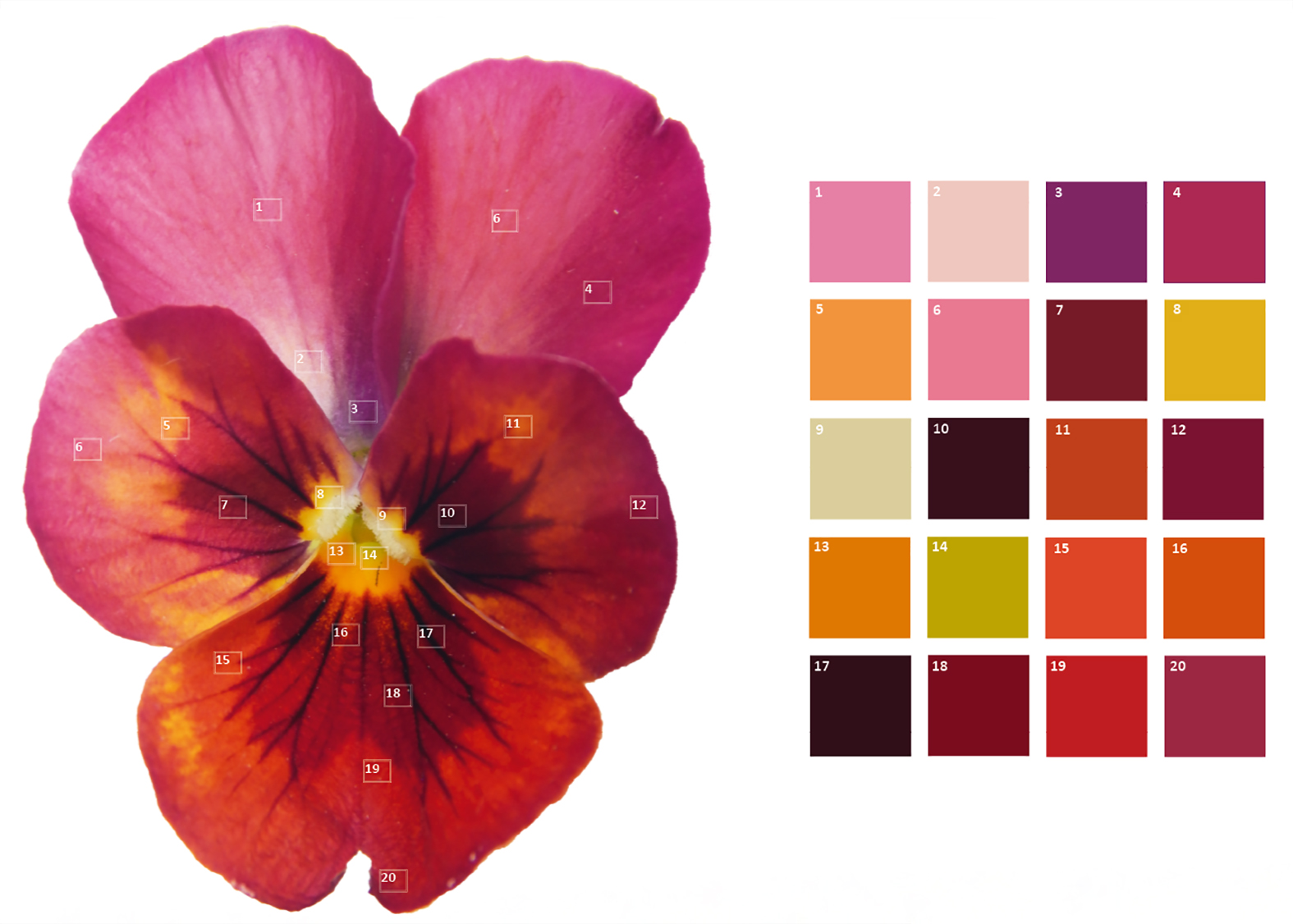
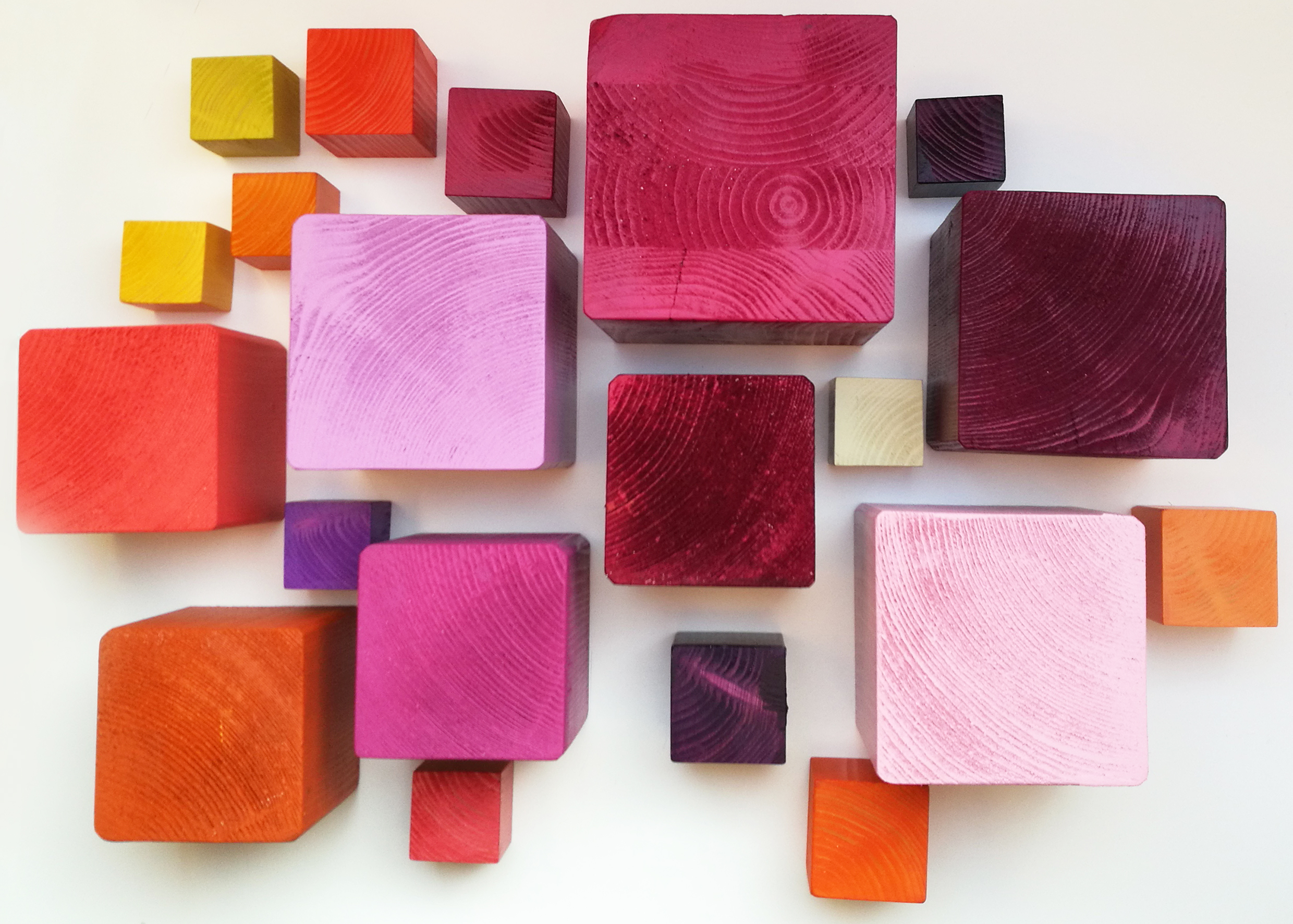
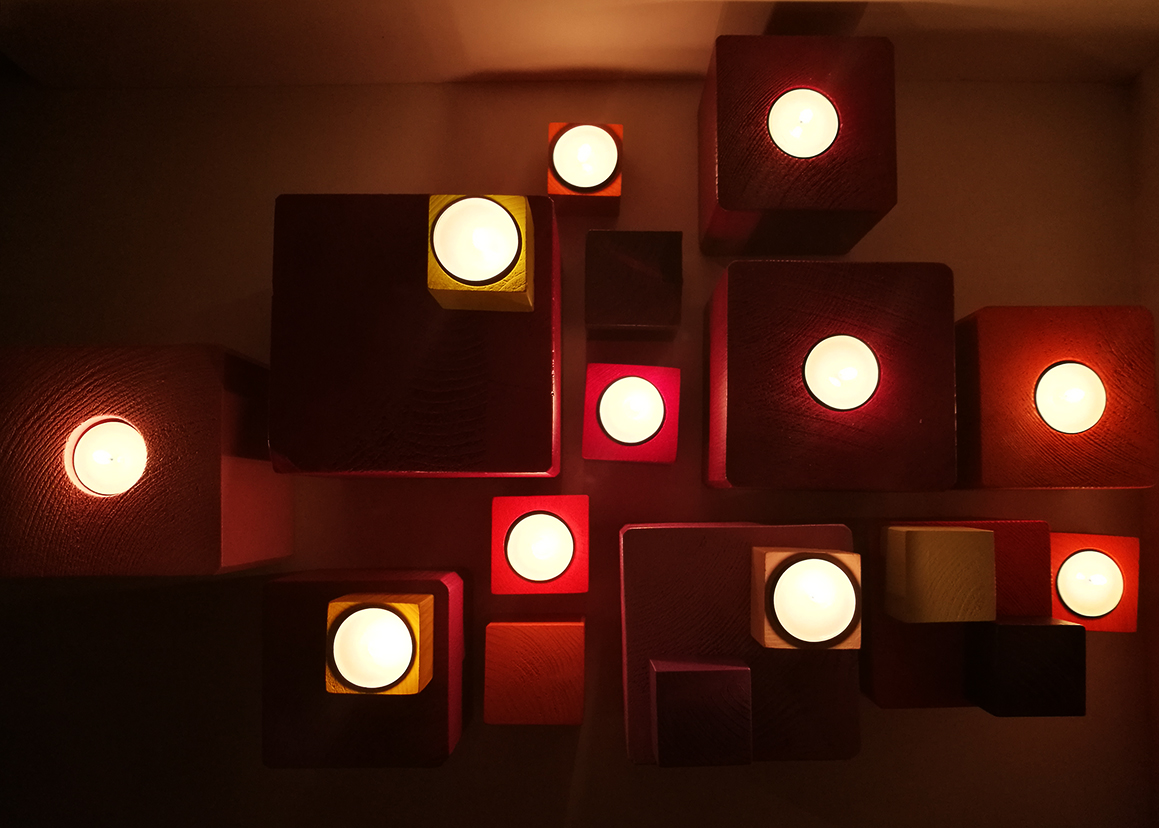
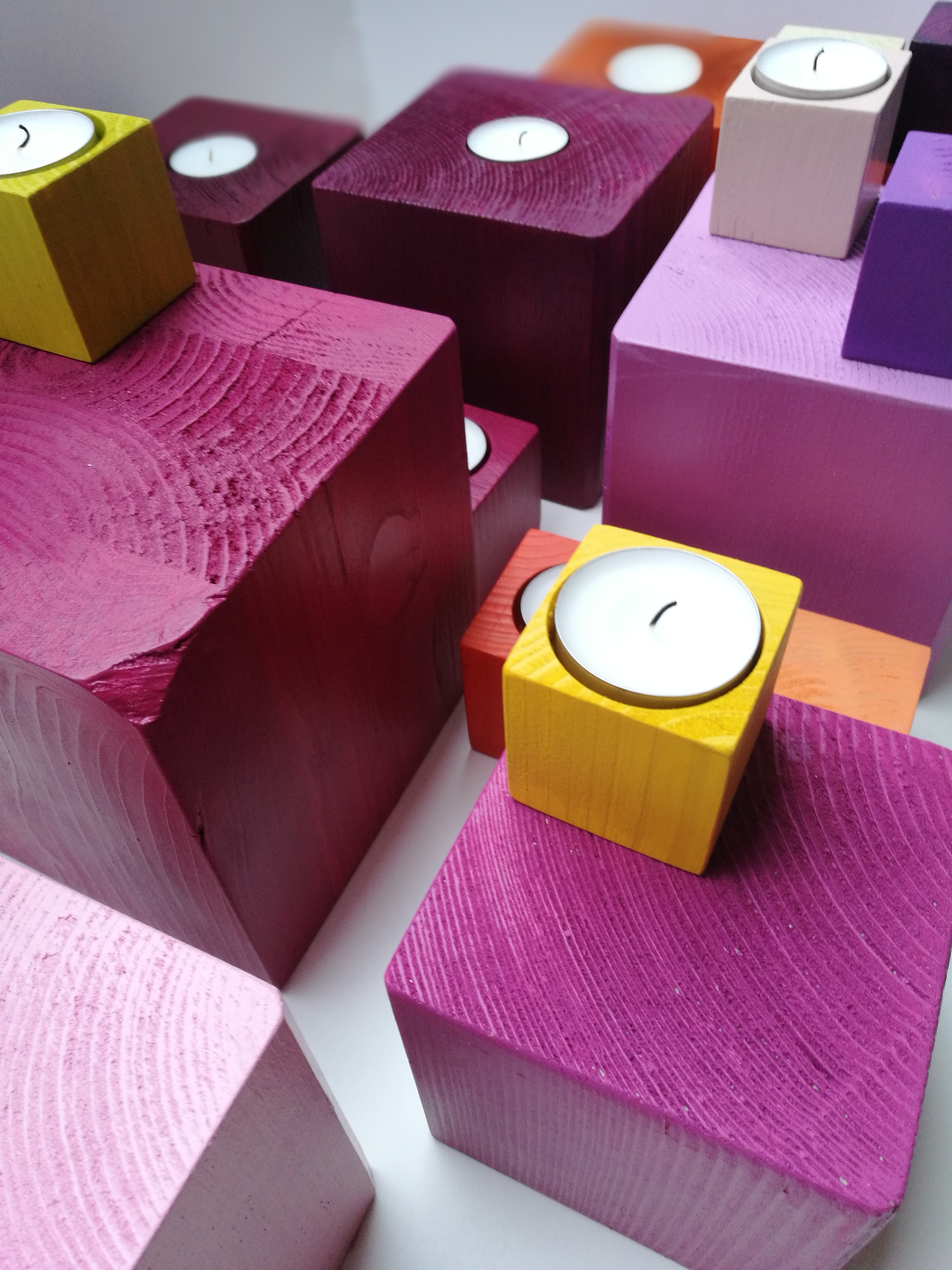
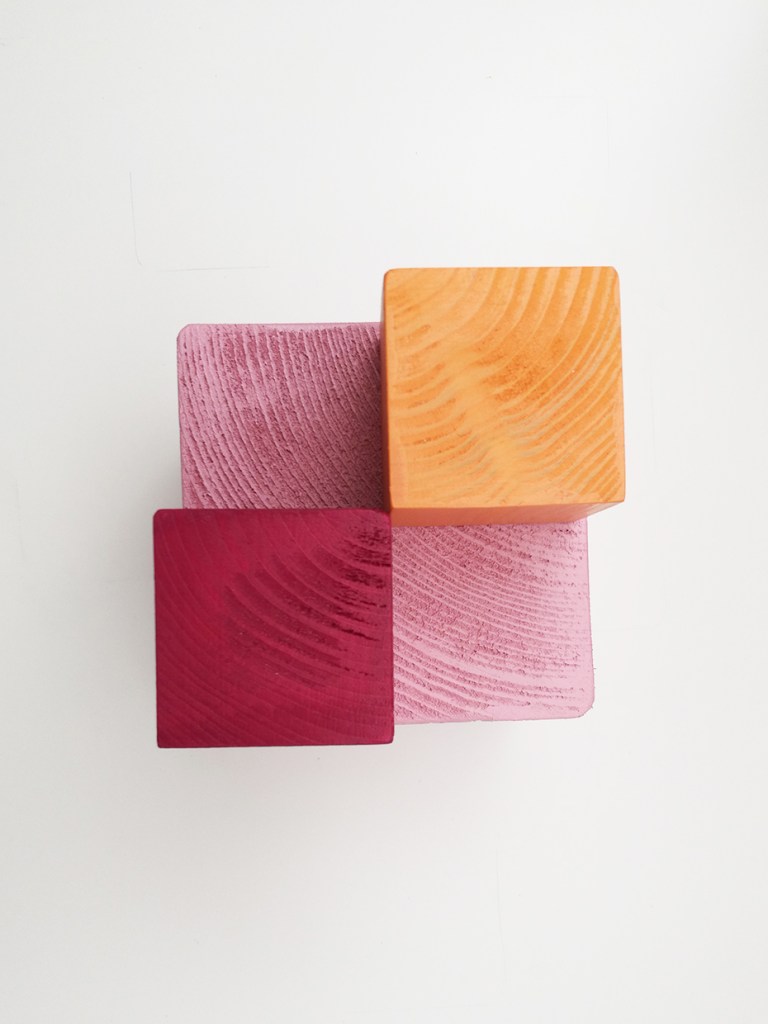
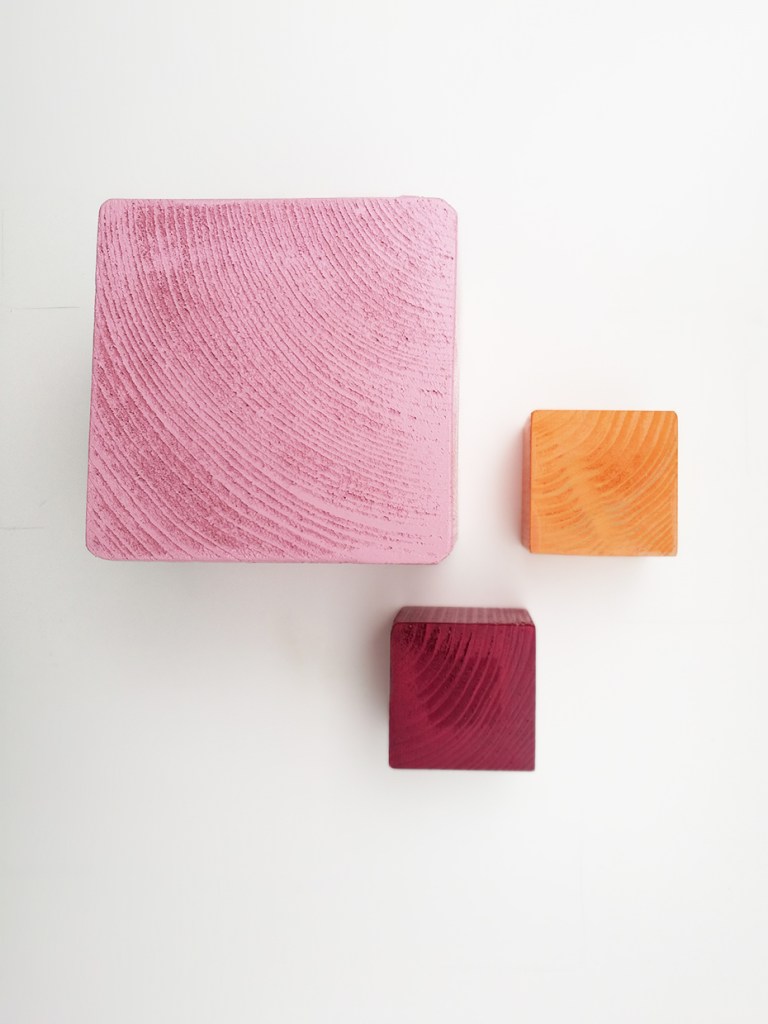
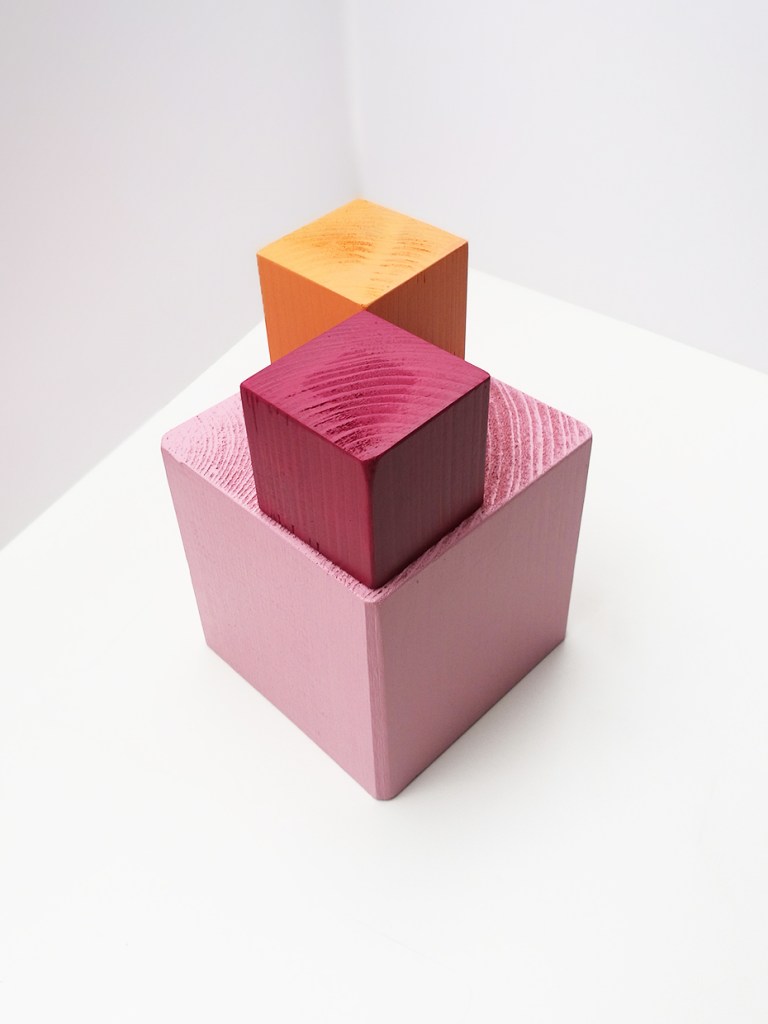
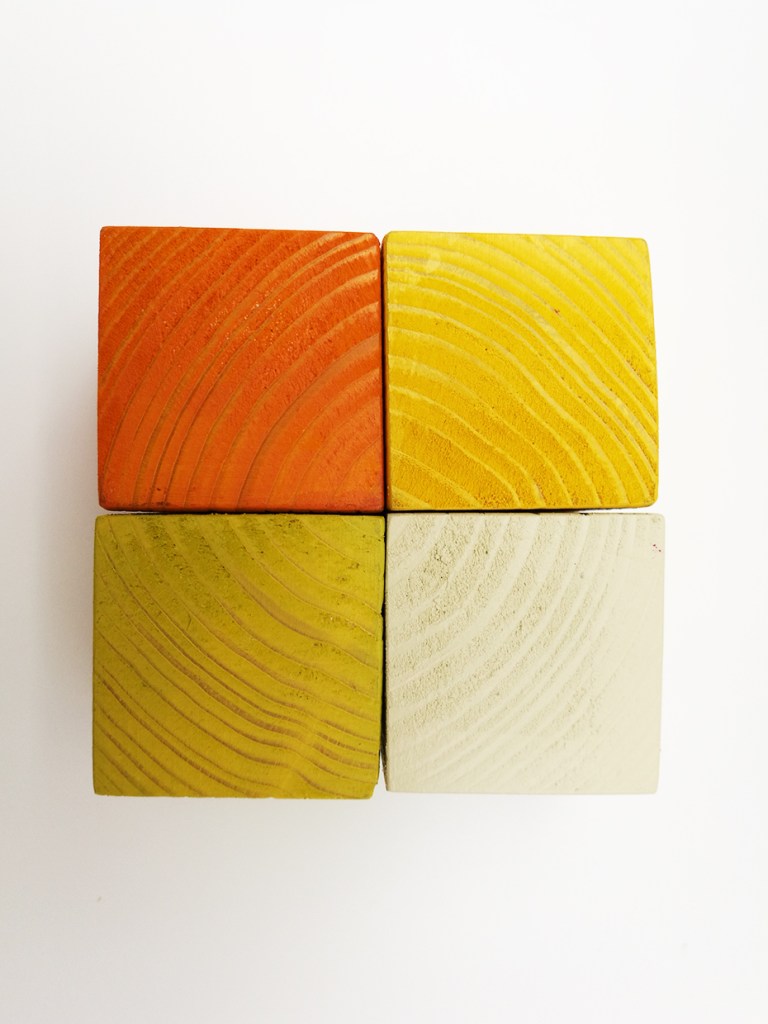
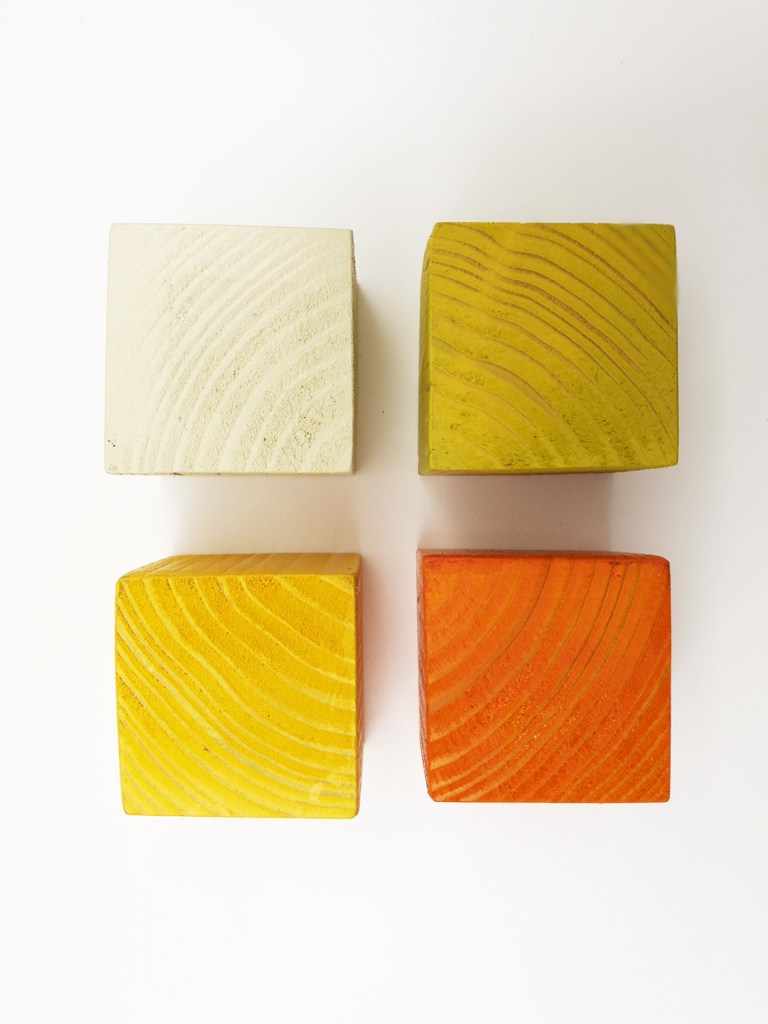
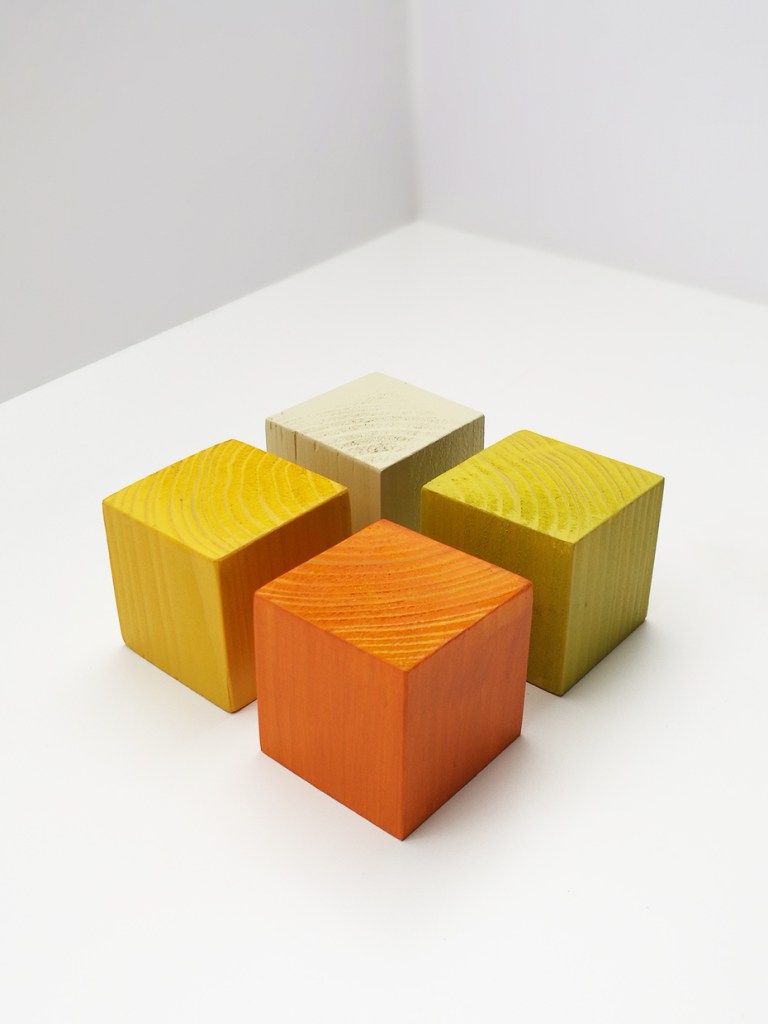
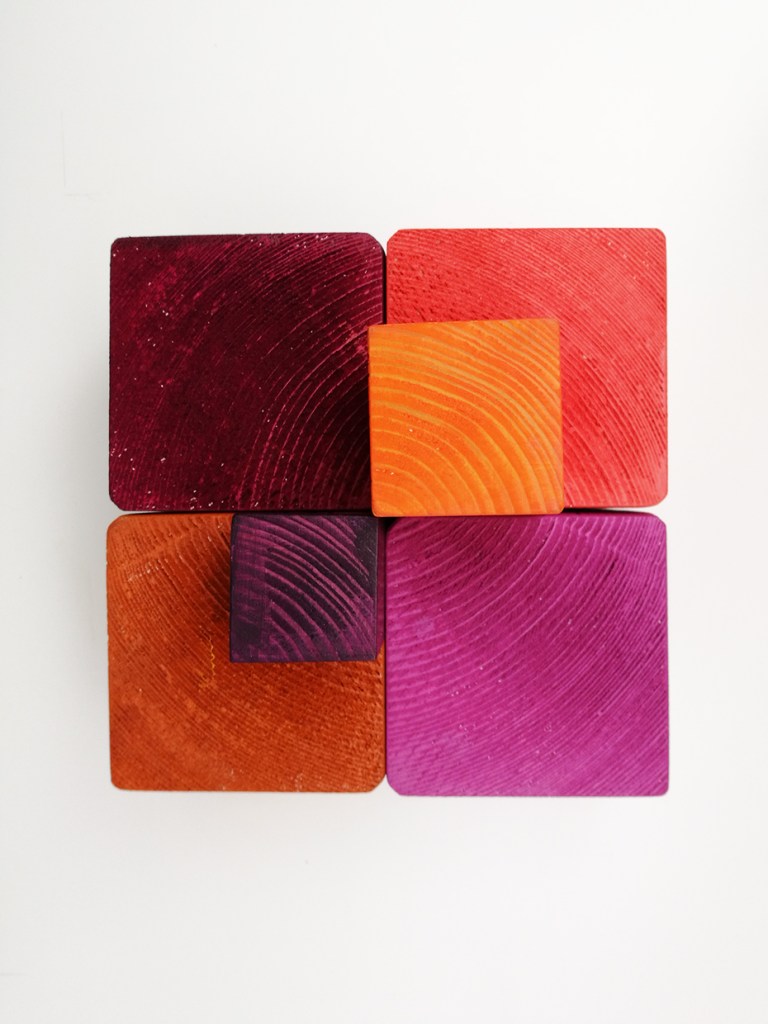
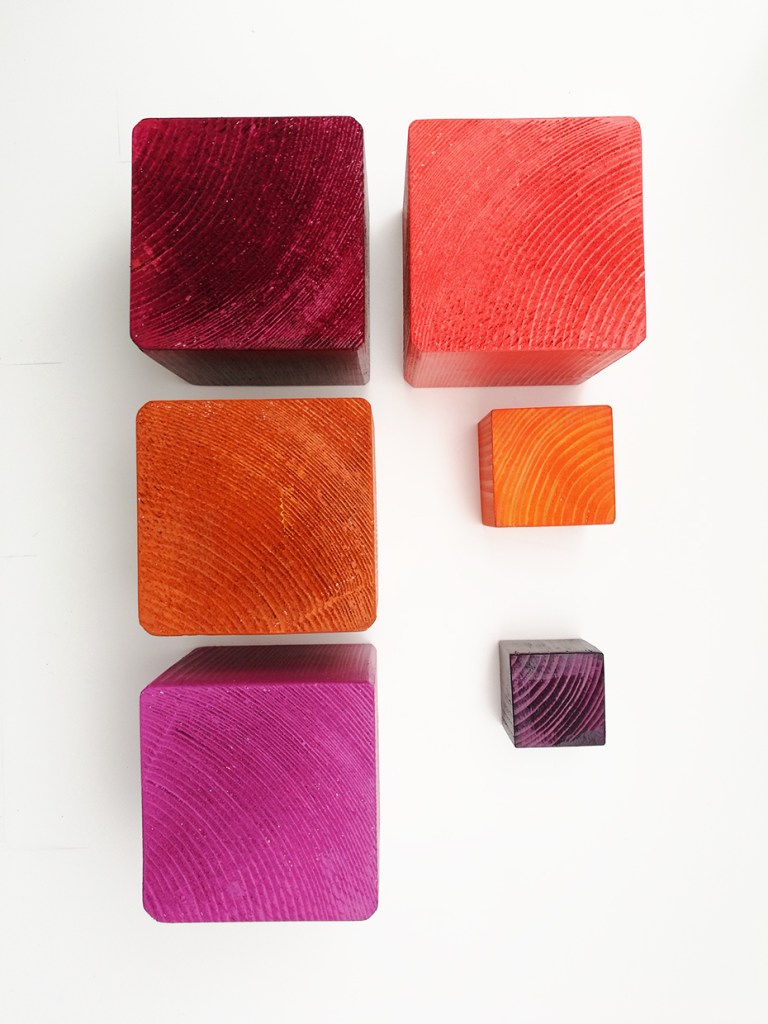
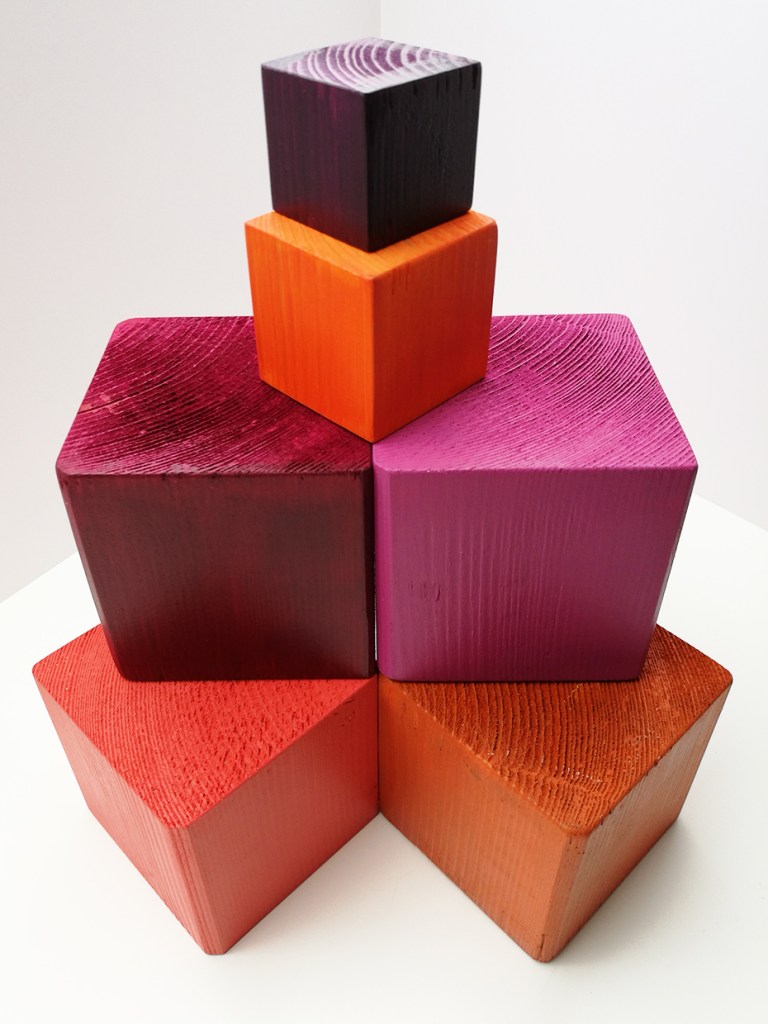
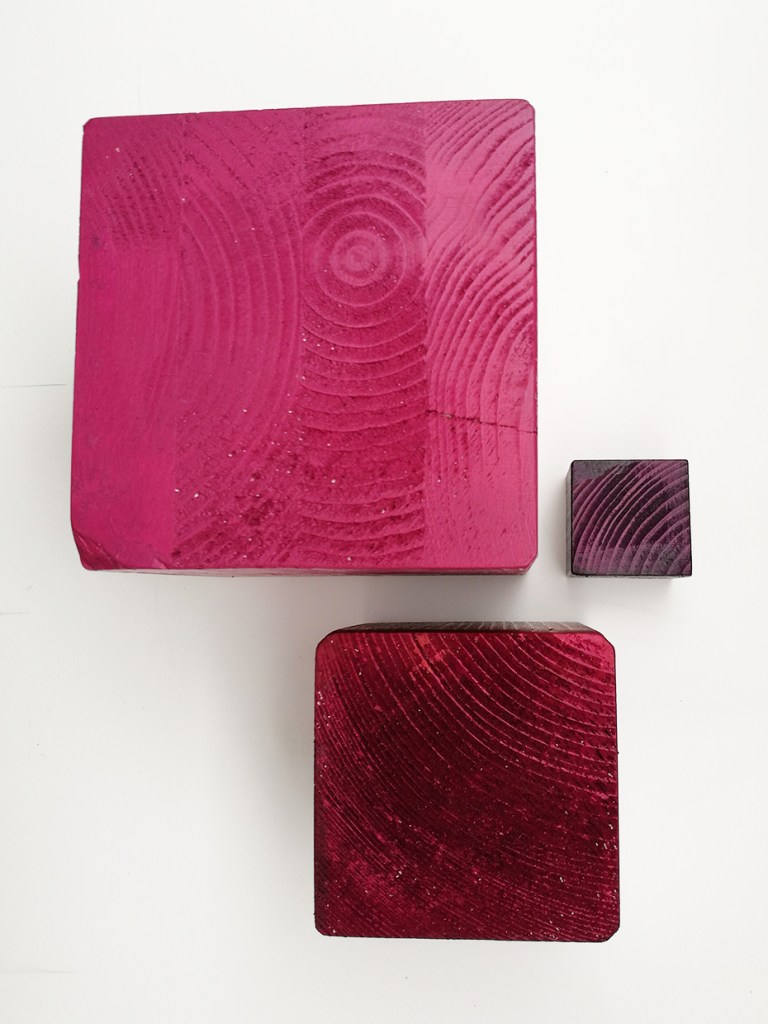
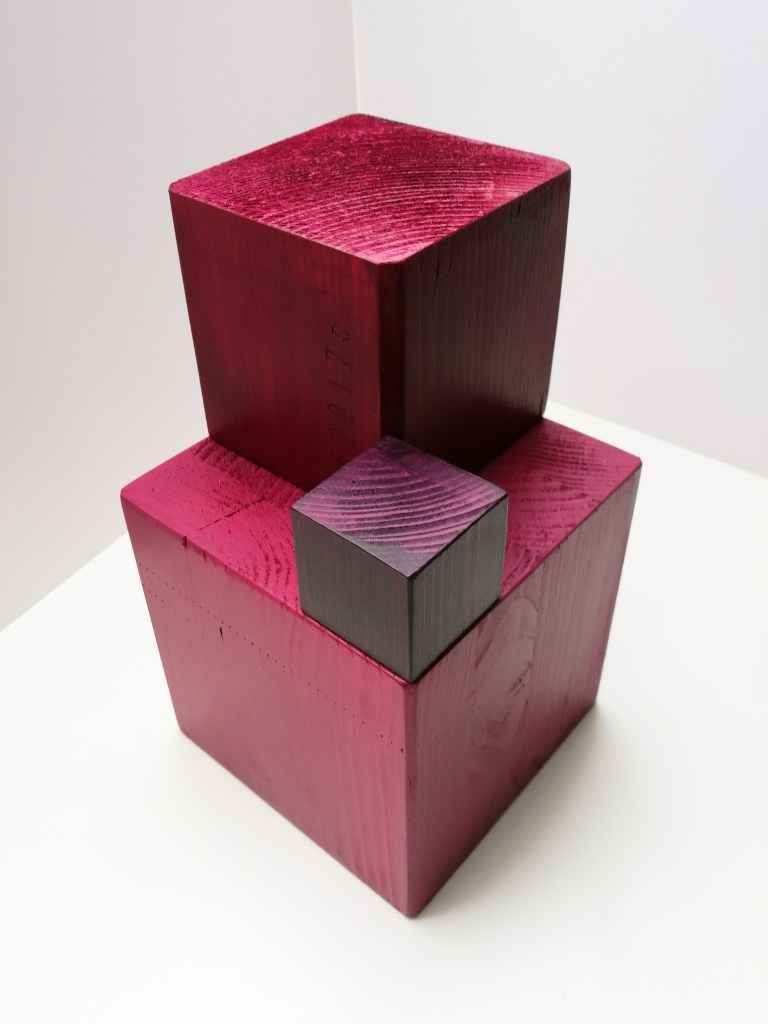
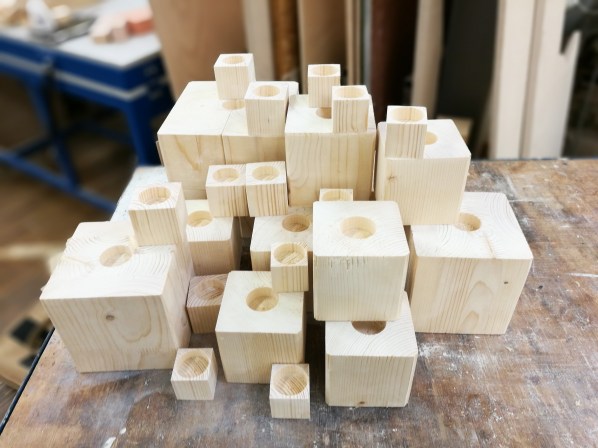
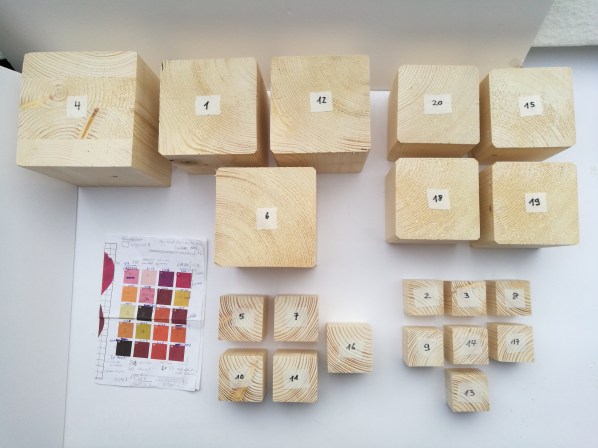
The permanent colour experiment and tea light composition DECODING VIOLA is composed of 20 coloured wooden cubes. The cubes are a visual abstraction of a horned violet colour code and colour distribution. They illustrate the essential role of light in colour perception. By transferring and abstracting the horned violet code on three-dimensional cubes a new perspective on light and colour perception is opened. The cubes invite to a playful exploration by changing position or stacking one above the other and build new colour harmonies. Moreover, each cube has a round recess on one side for a tea light. In this way, colours can be explored under different light conditions: natural light, artificial light and candlelight.
MANUFACTURE & STRUCTURE
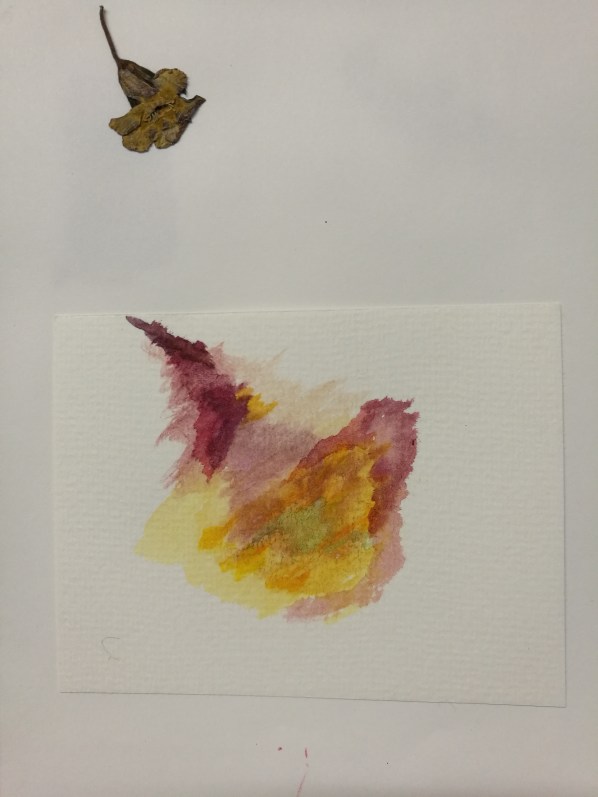
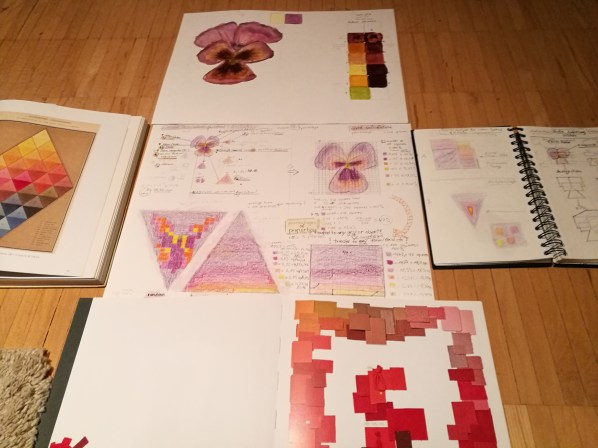
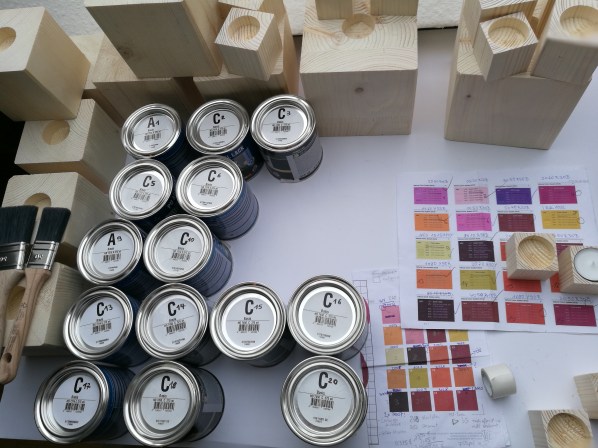
The horned violet colour code first was analysed by colour studies with watercolour and later by a digital method via photoshop. Each found digital colour value was transferred from CMYK to a hexadecimal value and then converted into values of the Natural Colour System (NCS). The NCS again is commonly used for lacquer so in this way it was possible to transfer the digital values to analog colours. To determine the percentage distribution of each colour a grid analysis was conducted known from the bitmap principle. Thus, each size of a wooden cube is an abstraction of the according percentage value of the horned violet colour distribution.
BACKGROUND
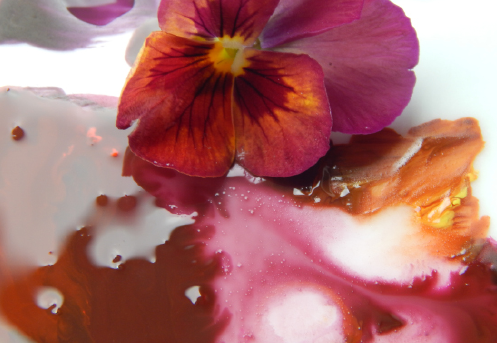
During the project “Prototype Nature” I explored nature to learn more about light by researching colour perception. Corresponding to the season of spring the observation of horned violets delivered an interesting template for a colour study. My work was essentially inspired by leading work on colour research by Hella Jongerius and the paintings of David Hockney.
TYPE: coloured wooden cubes, colour experiment/tea lights
MATERIAL: wood, lacquer
DIMENSIONS: from 45 mm to 140 mm edge length
WEIGHT: 3,3 kg
PHOTOGRAPHY: Sophia Feulner
 Sophia Feulner